What Rekeying Actually Does to Your Lock Cylinder
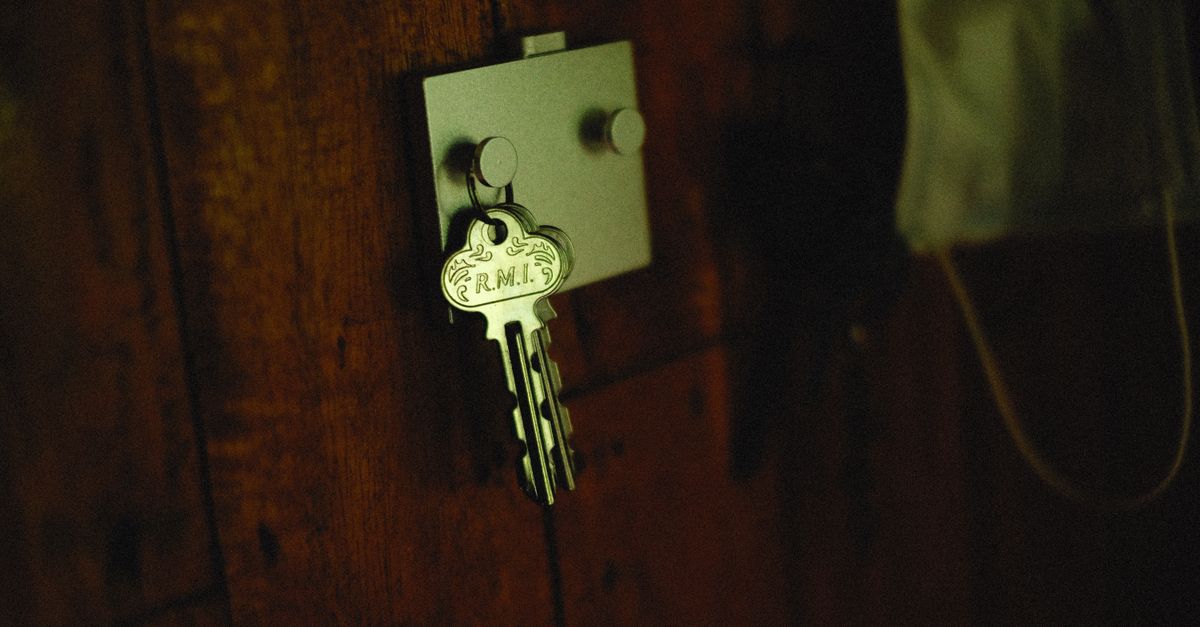
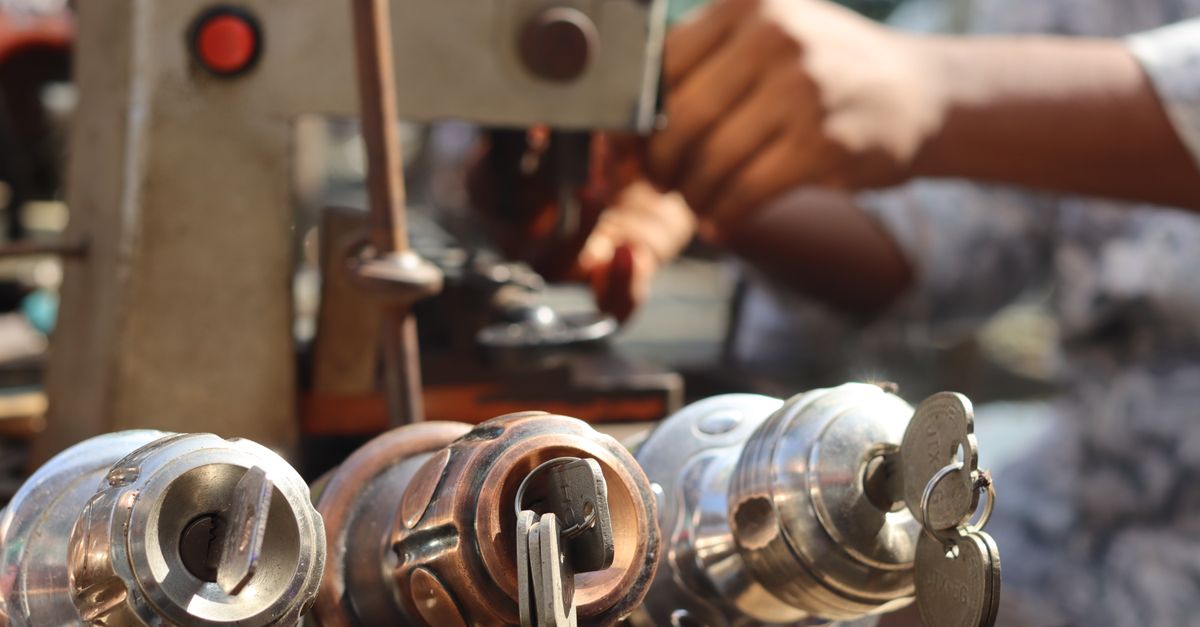
Inside every pin tumbler lock is a series of small spring-loaded pins cut to specific heights. Your key works because its unique cut pattern pushes each pin to exactly the right height to allow the cylinder to turn. Rekeying means a technician removes the cylinder, disassembles the pin stack, and replaces those pins with a new set sized to match a freshly cut key. The lock body, the strike plate, and the door hardware stay exactly where they are — only the internal pin configuration changes. The result is a lock that functions identically to before, but responds only to the new key. Done properly by a skilled professional, rekeying leaves zero damage to your door or frame.
This process works across most common residential lock types, including standard deadbolts, Schlage and Kwikset knob locks, padlocks, and — critically — mortise locks. A mortise lock is the rectangular unit that fits inside a routed pocket in the door edge, common in older Whitby homes, heritage properties near downtown, and many commercial storefronts along Dundas Street West. Mortise lock cylinders require a slightly different disassembly approach than a surface-mounted deadbolt, which is why it matters that your technician has genuine hands-on experience with the full range of lock formats — not just the most common residential hardware.