Pro Whitby Locksmiths Service Team
Local locksmith team
Nov 10, 2026 10 min read
A forced entry is one of the most unsettling things a Whitby homeowner can experience — and the chaos doesn't end when the intruder leaves. You're left standing in a doorway that won't close properly, a lock that's been torn from the frame, and the very real question of how to keep your family safe tonight. Whether your door took a kick near Dundas Street East or a shoulder shove on a quiet street off Thickson Road, the first hours after a break-in matter enormously. This guide walks you through exactly what to assess, what to do right now to secure the space, and what a skilled emergency locksmith will prioritize when they arrive.
The good news: damaged doors and destroyed locks are repairable problems with clear solutions. You don't have to spend the night in an unsecured home. Here's how to think through it step by step — and when to put down this article and pick up the phone.
## Step One — Assess the Damage Before You Touch Anything
Before you try forcing the door shut or jamming a chair under the handle, take sixty seconds to look carefully at what actually broke. Break-in damage almost always falls into one of three categories: the lock mechanism itself, the strike plate and surrounding door frame, or the door slab and hinges. These require very different fixes, and misidentifying the problem can make things worse. Check whether the door still sits squarely in the frame — if it's shifted, the hinges or the frame itself may have cracked under the force. Look at the strike plate (the metal plate on the frame where the bolt seats). In most forced entries, this is the first thing to give way, because residential strike plates are often secured with short screws that don't reach the structural stud behind the frame.
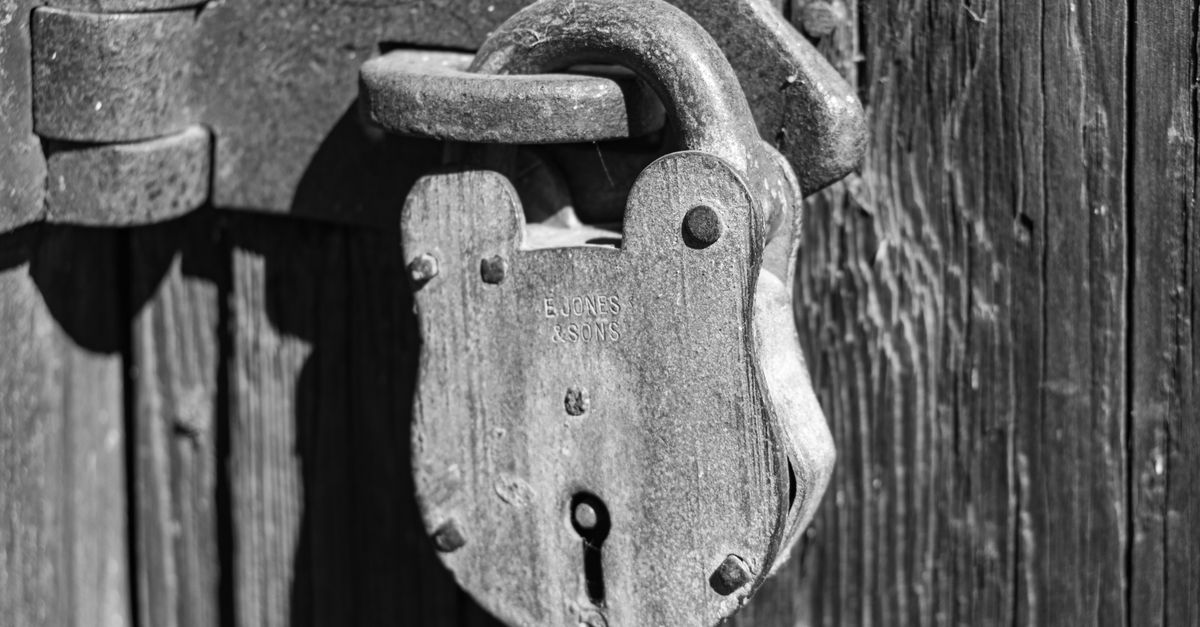
Also look at the lock body itself. A deadbolt that has been kicked will sometimes still turn but fail to extend properly because the bolt housing is bent. A mortise lock — the type common in older Whitby homes and many commercial properties — is a larger integrated unit set into the door slab, and if the door was forced, the mortise lock casing or cam mechanism may have cracked internally even if it looks intact from the outside. Take photos of everything before touching it. These will be useful for your insurance claim and will help the locksmith understand the scope of work before they even walk through the door.
## Temporary Security — What You Can Do Right Now
If the door won't latch or close flush, your immediate goal is to create a physical barrier until a professional arrives — not to restore the lock to working condition. A broken lock should not be operated repeatedly; forcing a bent bolt can deepen the damage to the door slab. For an outward-opening door that won't stay closed, a heavy piece of furniture placed firmly against the inside can slow re-entry. For an inward-opening door with a compromised frame, running a length of rope or a ratchet strap from the door handle to a fixed anchor point like a stair newel post or heavy appliance can hold tension. These are holding measures only — they are not substitutes for a repaired lock.
If you have a sliding patio door or secondary entry that is undamaged, consider using that as your temporary exit point and securing the damaged door entirely from the inside with whatever is available. Call the non-emergency Durham Regional Police line to report the break-in if you haven't already — they will want to document it, and your insurance provider will likely require a report number. Then call a 24/7 emergency locksmith right away. At Pro Whitby Locksmiths, we respond to post-break-in calls around the clock precisely because this isn't a problem that can wait until morning. Call us now at 289-806-5186 and we'll get a skilled technician to your door as quickly as possible.
## What an Emergency Locksmith Fixes First — and Why the Order Matters
When an experienced emergency locksmith arrives after a forced entry, they don't start by installing a shiny new deadbolt. They start with the frame. Here's why: a new high-quality lock fitted into a cracked or splintered door frame is nearly as insecure as no lock at all. The frame and strike plate are the structural anchor of the whole system. A skilled technician will assess whether the door jamb needs to be reglued, shimmed, or rebuilt before anything else is fastened into it. In many cases, the existing short screws in the strike plate are replaced with 3-inch wood screws that reach past the door casing into the structural framing — this single step dramatically increases resistance to kick-in force.
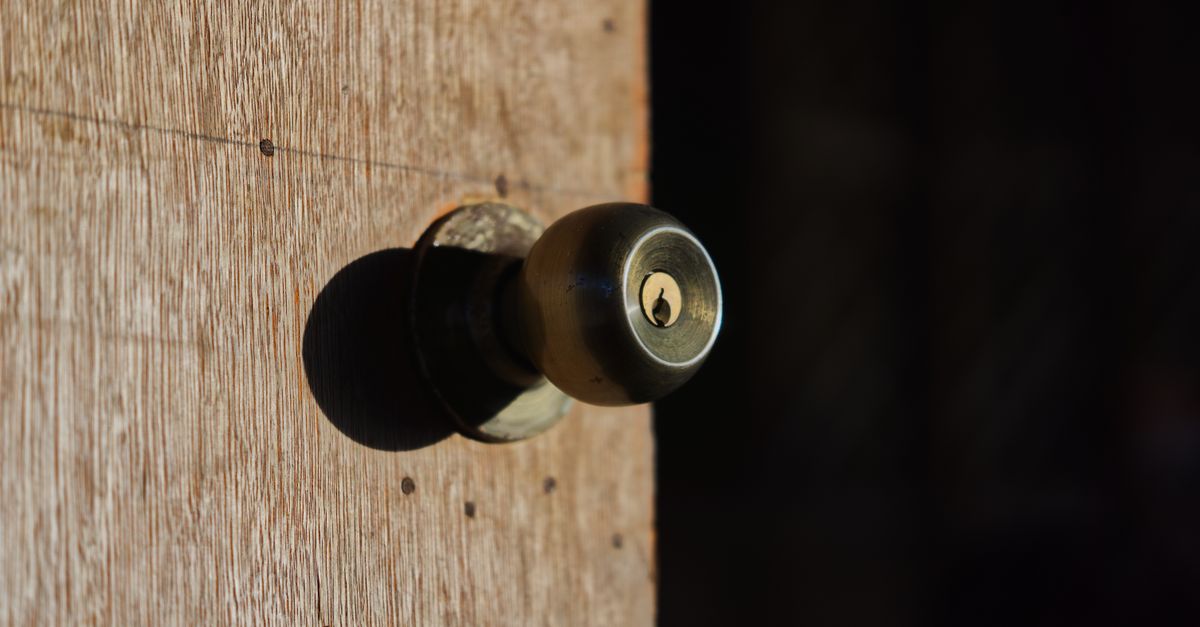
Once the frame is sound, the locksmith will assess whether your existing lock can be rebuilt or must be replaced. A deadbolt with a bent bolt or damaged cylinder is replaced. If your property has a door knob lock that was damaged during the entry, that too will be evaluated — but the deadbolt is always the primary security layer and gets addressed first. For older doors with a mortise lock, a trained technician will check whether the lock case itself is structurally intact; a mortise lock with a cracked case must be replaced, not repaired, since the internal levers and cams will no longer operate reliably under a second forced attempt. The final step is often a rekey or full replacement of all entry points — not just the damaged one — so that compromised keys can't be used elsewhere on the property.
## Upgrade While You're At It — Locks Worth Considering After a Break-In
A break-in is a genuinely terrible experience, but it does present a practical window to upgrade your security beyond whatever was there before. After the damaged components are restored, many homeowners choose to step up to a higher-grade deadbolt — brands like Schlage or Kwikset offer ANSI Grade 1 rated deadbolts that are significantly more resistant to both kick-in and picking than the builder-grade hardware in many Whitby homes built in the 1990s and 2000s. If your home has multiple entry doors, this is also the right time to key them alike so that one key operates every lock — a service locksmiths call keying-to-fit or masterkeying.
If your property is a business — a retail unit on Brock Street South, a warehouse near the GO station, or any commercial property — the considerations are broader. A commercial locksmith will often recommend a mortise lock with restricted keyway as the standard for commercial doors, combined with a heavy-duty strike plate and reinforced frame guards. These locks use keys that cannot be duplicated without authorization, reducing the risk that an employee's lost key becomes a future liability. Our team at Pro Whitby Locksmiths handles both residential and commercial post-break-in work, and we'll walk you through what actually makes sense for your specific door, frame, and budget — with an exact price confirmed before any work begins.
## When a Lockout Happens on Top of the Break-In Damage
Sometimes a forced entry leaves the door in a strange in-between state: the door is physically stuck — either jammed shut by a warped frame or locked in a position where the bolt won't retract — and you can't get back inside at all. This situation overlaps with a standard lockout scenario, but it's more complex because you can't simply unlock the door even with the original key. If you find yourself asking what to do if locked out of your house after a break-in has warped the frame or jammed the mechanism, the answer is the same as any lockout: do not try to force it further yourself. Kicking a door that is already structurally compromised can cause the frame to collapse inward or the hinges to shear, turning a repair job into a full door replacement.
What to do when locked out of your house under these circumstances is to call a professional immediately and describe both issues — the forced entry and the stuck door. This matters because the technician will bring different tools than a standard lockout call. Knowing in advance that frame damage is likely, they can prepare accordingly. At Pro Whitby Locksmiths, our mobile units carry frame reinforcement hardware, a range of replacement lock hardware, and the tools to address structural door damage on the spot — not just cylinder picks and plug spinners. If you're locked out of your house and dealing with break-in damage at the same time, call 289-806-5186 right now. We're available every hour of the day, every day of the year.
Frequently asked questions
My door will close but won't latch after the break-in — is it safe to leave it overnight?+
No, a door that won't properly latch offers almost no resistance to re-entry and should not be left unattended overnight. Even if the lock cylinder still turns, a latch or bolt that doesn't seat fully in the strike plate can be pushed open with minimal force. Call a 24/7 locksmith to get the frame assessed and the lock restored or replaced the same night. In the meantime, barricade the door from the inside and avoid leaving the property unoccupied.
What to do if you're locked out of your house because the break-in jammed the lock?+
Do not attempt to force the door open yourself — this is especially important when the frame or lock is already compromised, since additional force can cause structural damage that dramatically increases the repair cost. Check whether any other door or window is accessible and verifiably secure. If not, call a professional emergency locksmith immediately and explain that you have break-in damage on top of the lockout. A trained technician can assess the specific failure — whether it's a jammed bolt, a warped frame, or a collapsed strike plate — and open the door without causing further damage. Pro Whitby Locksmiths handles exactly this scenario and can dispatch a technician around the clock.
How is the cost of a post-break-in repair determined?+
The final price depends on several factors: the extent of frame damage and whether structural reinforcement is needed, the type and grade of replacement lock hardware required, the number of entry points being addressed, the time of day the work is carried out, and travel distance to your location. We always confirm an exact price upfront before any work begins — there are no surprise charges once the job is underway. If you'd like a clear quote, call us at 289-806-5186 and describe what you're seeing; we can often give you a solid estimate over the phone before we even arrive.
Should I replace the entire door or just the lock and frame after a break-in?+
In the majority of residential break-ins, the door slab itself survives intact — it's the frame, strike plate, and lock hardware that absorb the damage. A skilled locksmith can usually restore full security without replacing the door. However, if the door slab is cracked through the lock bore, the wood around the mortise pocket is shattered, or the hinges have pulled from the frame, a door replacement becomes necessary. Our technicians will give you an honest assessment of what actually needs replacing versus what can be repaired and reinforced — we won't recommend unnecessary work.